
DeDuster Systems
Pelletron’s DeDuster systems efficiently remove dust, fines, and contaminants from bulk materials, ensuring superior product quality. Designed for various industries, they enhance cleanliness, reduce waste, and improve processing efficiency.
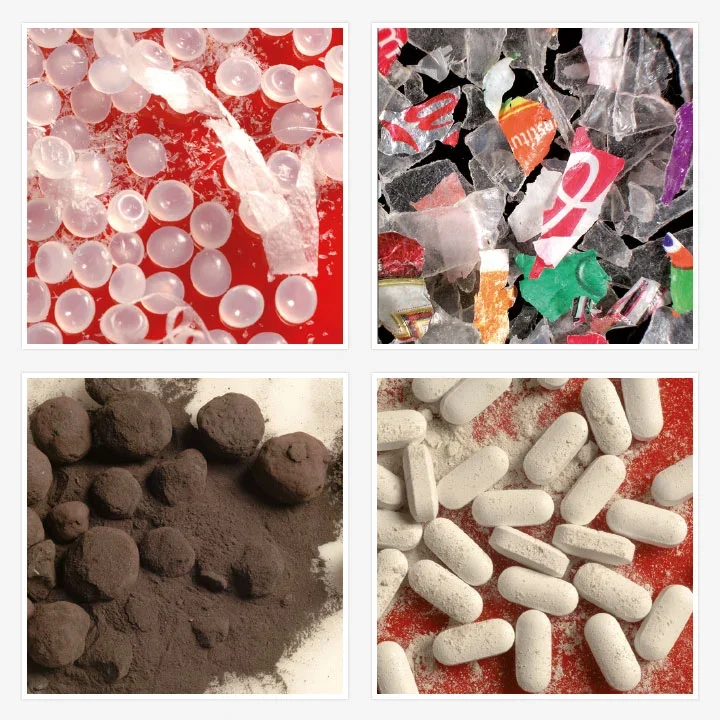
Where Do Fines Come From and Why Is Cleaning Important?
Dust and contaminants in bulk solids can occur naturally or result from handling. In plastic pellets, impurities like dust and streamers form due to friction in conveying lines, especially in high-velocity dilute phase systems and at pipe elbows. Dense phase systems also generate fine dust due to pressure and friction. Factors like temperature, pellet shape, and material properties further contribute to dust formation.
Cleaning is essential for hygiene in food and pharmaceuticals, environmental safety in minerals, and quality improvement in plastics, ensuring better final products.
The Pelletron DeDuster® was developed as a result of Demands for high quality standards in the plastics industry, but the technology can be used for all kinds of granular bulk materials. The list of requirements for a new, universal dedusting machine was long:
How it works
- Remove dust and streamers with one machine
- Separate and remove electro-statically charged dust particles
- Fit on injection molding machines
- Offer low construction height
- Fit on top of extruders and under silos
- Reduce remaining dust level after cleaning to < 50PPM
To address this list of requirements, Pelletron developed a cleaning machine that combines a variety of air wash principles, plus the revolutionary electro-static flux field feature, and built it with the lowest possible construction height. When electrostatically charged particles enter into the Magnetic Flux Field, the resulting “Lorentz Force” weakens the electro-static bond between fine dust and plastic pellets. This weakening, in combination with the air flow, allows the micro fine particles attracted to the pellet surfaces to be removed.
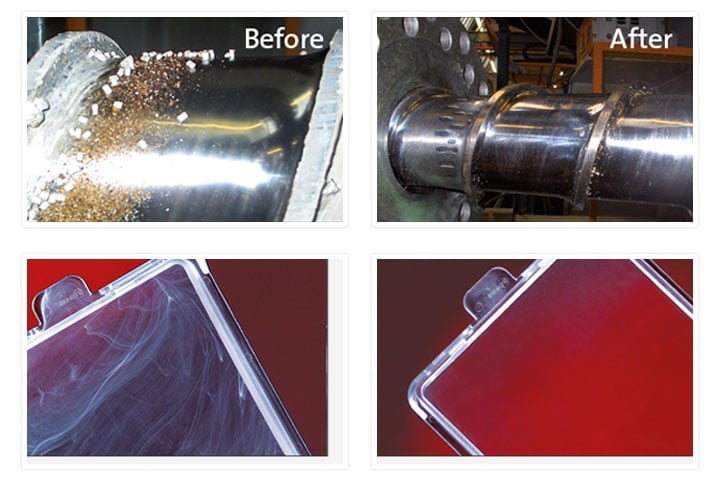
Dust and streamer (angel hair) problems in the plastics industry
Production of high quality end products requires clean plastic pellets. Dust and streamers in plastic pellets cause many problems for the plastics processing industry:
- High “scrap” rates from fines burning in mold
- Blurry surfaces resulting from vaporized dust particles
- Weak spots in fibers
- Flaws in wire insulation
- Gels in films
- Housekeeping problems caused by dust and streamers
- Crusting of feed throat of screw
- Reduced mold and screw life resulting from carbonization of dust
- Mold vents clogged by dust
- Equipment and machines clogged by streamers
- Dust accumulation on silo walls, roofs and hopper walls
Dust problems in other industries
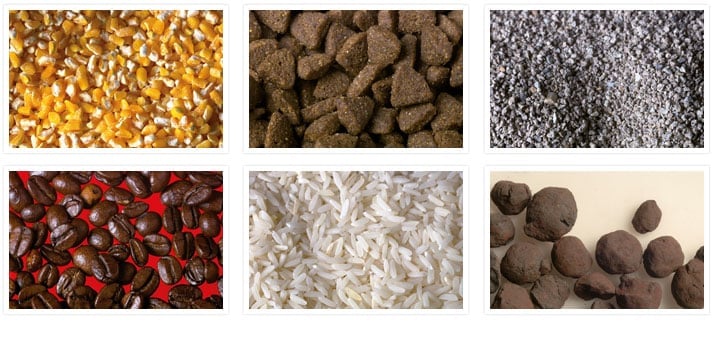
Pelletron has developed several solutions to address unique customer applications. Besides the cleaning of plastic pellets, the DeDuster® can be used for cleaning dry bulk solids in the food, mineral and pharmaceutical industries. Some examples for materials that require cleaning are:
- Rice, corn, peanuts, coffee beans
- Iron ore, special sand, wood pellets
- Tablets, pills
- And many more…
System configuration


Open Loop
An open loop system is recommended for processes with frequent product changes or for lines with frequent color changes in order to avoid cross contamination. Filtered fresh air is pushed from a wash air fan into the DeDuster® supplying the cleaning air. A second exhaust air fan pulls the dusty air into a cyclone or baghouse dust collector. The dust is separated in a dust collector and dropped into the dust container. The cleaned air is then released into the atmosphere.


Closed Loop
A closed loop system is recommended for standard operations with the same or similar product grades or for inert gas applications. A push/pull wash air fan supplies the wash air and pushes it into the DeDuster. The dust is separated by the baghouse dust collector and dropped into a dust container. The cleaned air is returned to the fan.
As an alternative to a baghouse, there are also Compact Cyclonic DeDuster® (CCD) systems available, a closed loop application solution with a cyclone and an inline filter. The dust is separated by the cyclone and dropped into a dust container. Remaining fine particles are separated using an inline filter. The cleaned air is returned to the fan.
DeDuster systems are available in open loop and closed loop versions, as well as in configurations for air tight systems with inert gas or clean room applications. Wash down versions for wet cleaning are also available upon request.
The DeDuster – The Ultimate Cleaning Technology
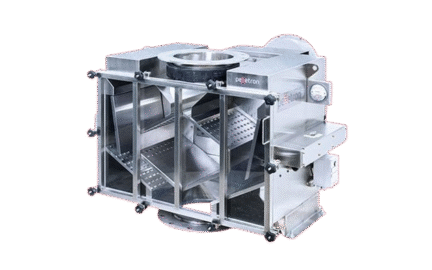
XP Series DeDuster
The standard dedusting machine for discharge capacities from 600Kg/h (1000lbs/h) up to 150t/h (350.000lbs/h)
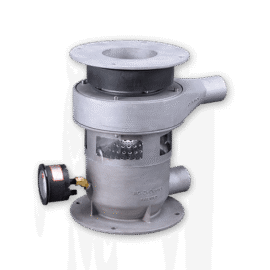
Mini Series DeDuster
The dedusting machines for discharge capacities from 5kg/h (11lbs/h) up to 750kg/h (1650lbs/h)
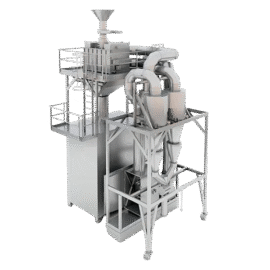
Mobile DeDuster Systems
Installed directly under the silo and travel from one silo to the next
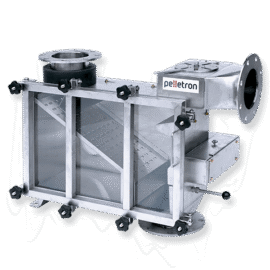
Custom DeDuster Solutions
Available from 600kg/h (1000lbs/h) up to 150t/h (350.000lbs/h)